Choosing a toy is easier when you start with the kind of activity a child enjoys, rather than choosing only by colour or packaging. Some children like sorting and building; others prefer movement, creative tasks, sensory exploration or a quick family card game. A useful selection offers a suitable challenge while fitting the child's age, interests, available space and the supervision you can provide.
This guide groups common play options by activity style and explains what to check before choosing a product. It is a shopping aid, not a claim that one toy is right for every child.
Creative play: making, drawing and experimenting
Creative activities can include drawing, colouring, simple craft projects and activity books. Look at what the child can do independently and which materials need adult help. A few sheets of paper and suitable pencils may be enough for one session; there is no need to set out every supply at once.
Check the package for age guidance and warnings, particularly if a kit includes small accessories, sharp tools or liquids. Store items that need supervision separately and return them to a safe place after use.

Puzzles and pattern activities: find the right level of challenge
Board puzzles, matching activities and peg-based pattern games can suit children who enjoy sorting, sequencing or following a design. Check whether the instructions are understandable, how many pieces need to be handled and whether the child is likely to need help getting started.
The Junior Peg Mosaic Learning Board Game is listed for ages 3+. Read the full product listing and packaging before purchase, and supervise according to the instructions and the child's abilities.
Card and group games: check the players and rules
For a family game, consider the number of players, reading demands, round length and whether the rules can be explained simply. A game that is enjoyable with older siblings may need an adult to guide a younger player. Keep cards and pieces together so the next session is easy to set up.
Couturier Design lists the UNO Card Game with Customizable Wild Cards. Check the current package for instructions and age recommendations rather than assuming every child can use it in the same way.

Sensory and movement play: think about the setting
Some children enjoy tactile objects or movement-based play. Consider the space, the child's coordination and whether the activity can be used safely where you live. Keep small components away from children for whom they are unsuitable, and follow the product's age and supervision instructions.
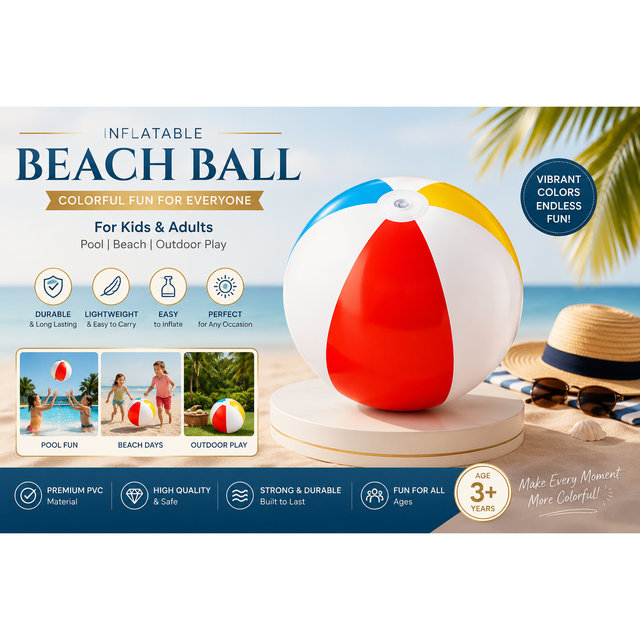
The Rainbow Stretch Spring Sensory Toy is one catalogue example of a tactile item. A multicolour inflatable beach ball is a different, movement-oriented option that needs suitable space and supervision.


Read age labels and warnings before buying
Age labels are a starting point, not a substitute for reading instructions. The Bureau of Indian Standards' toy-safety guidance addresses age grading and warnings for toys with small parts. Read the BIS toy-safety standard document for further context. Follow the product's own warnings and supervision requirements, and keep small parts away from children who may put them in their mouths.
For general background on play and adult participation, see the American Academy of Pediatrics' article on the importance of play. This does not mean a specific product guarantees a developmental outcome.
A simple toy-selection checklist
- Does the activity match the child's current interests?
- Is the age guidance appropriate, and have I read the warnings?
- Are the pieces and materials suitable for the child and setting?
- Will an adult need to explain, set up or supervise the activity?
- Is there enough space to use it as intended?
- Can the pieces be stored together after play?
Browse the Kids Toys & Games collection for currently listed options. Check each product page for the latest details and availability before ordering.
Choose the activity first, then check the product. A simple game that fits the child's interests, age and setting is a more useful choice than buying solely for a trend or a colourful package.
Shop products related to this guide
Shop the products in this guide
Explore the relevant Couturier Design picks below. You can add an item to your cart without leaving this article.